
Device Security Services Sydney & Australia

Protect your laptops, desktops, mobile devices and endpoints with expert device security services in Sydney and across Australia. We help organisations protect devices from malware, ransomware, credential theft, unauthorised access and data loss through comprehensive endpoint security, device hardening, vulnerability management and continuous security monitoring.
Modern organisations rely on laptops, workstations, smartphones, tablets and other connected devices to access business systems and sensitive information. Every endpoint represents a potential entry point for cybercriminals if it is not properly secured, monitored and maintained.
Our device security services combine endpoint protection, Endpoint Detection and Response (EDR), device hardening, vulnerability management, patch management and endpoint monitoring to reduce attack surfaces, detect suspicious activity and improve cyber resilience across your network.
What is Device Security?
Device security is the practice of protecting laptops, desktops, mobile phones, tablets, servers and other endpoint devices from cyber threats through security controls, secure configurations, patch management, access controls, encryption, monitoring and threat detection.
Effective device security helps organisations protect endpoints against malware, ransomware, phishing, credential theft, unauthorised access and other threats that can compromise business systems and sensitive data.
As organisations adopt hybrid work environments, remote working and mobile workforces, securing every endpoint has become an important part of modern cyber security. Strong endpoint security ensures that devices remain protected whether they are connected to the corporate network, cloud services or remote networks.
Device Security Assessments

We conduct comprehensive device security assessments to identify endpoint vulnerabilities, missing security controls, outdated software, weak configurations, insecure settings and unmanaged devices that may expose your organisation to cyber threats.
Device Hardening

We apply security best practices to strengthen laptops, desktops and mobile devices. This includes disabling unnecessary services, enforcing secure configurations, implementing application controls, restricting unnecessary privileges and reducing device attack surfaces.
Endpoint Detection & Response (EDR)

We deploy and manage Endpoint Detection and Response (EDR) solutions that continuously monitor devices for suspicious behaviour, malware activity and advanced threats. EDR provides visibility into endpoint activity and enables faster investigation, detection and response.
Mobile Device Security & Management

We implement mobile device security controls and device management platforms to secure smartphones, tablets and remote devices through encryption, security policies, access controls, application management and remote wiping capabilities.
Effective endpoint protection is strongest when device security is combined with Security Operations Centre (SOC) monitoring and Incident Response Services. This provides organisations with both endpoint protection and the visibility required to detect and respond to potential security incidents.
Common Device Security Risks
- Outdated software and operating systems: Unpatched vulnerabilities can provide attackers with opportunities to compromise endpoint devices.
- Weak endpoint protection: Inadequate antivirus, EDR or other endpoint security controls can increase the likelihood of malware and ransomware infections.
- Unauthorised or unmanaged devices: Personal, unknown or unmanaged devices can introduce security risks and create visibility and compliance gaps.
- Credential compromise: Stolen passwords, session tokens or authentication credentials can allow attackers to access devices, applications and sensitive systems.
- Insecure device configurations: Weak security settings, unnecessary services and excessive privileges can increase the attack surface of endpoints.
- Lack of endpoint monitoring: Without adequate monitoring and logging, suspicious device activity can remain undetected for extended periods.
Our Device Security Process
We follow a structured, proven approach to improving device security and endpoint protection:
Device Discovery

We identify and catalogue endpoint devices across your environment, including laptops, desktops, mobile devices and other managed endpoints.
Security Assessment & Risk Analysis
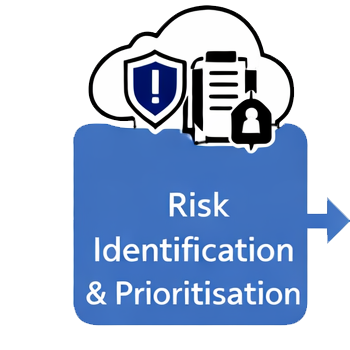
We identify endpoint vulnerabilities, configuration weaknesses, missing patches, unmanaged devices and security control gaps.
Endpoint Hardening & Protection
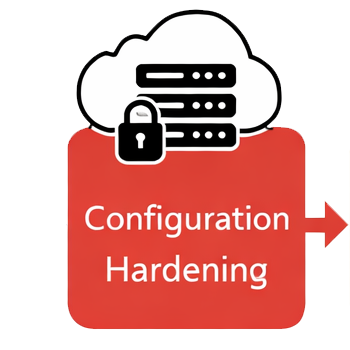
We implement security controls, EDR solutions, secure configurations, patching and other protective measures to reduce endpoint exposure.
Monitoring & Threat Detection
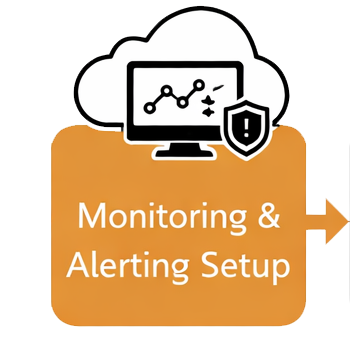
We establish endpoint visibility, security monitoring, alerting and threat detection capabilities to identify suspicious activity.
Continuous Improvement
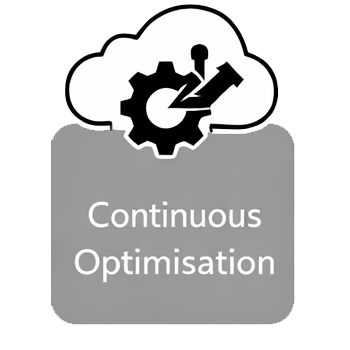
We continually review your device security posture as your technology environment, workforce and cyber threat landscape evolve.
FAQs
What is device security?
Device security is the practice of protecting laptops, desktops, smartphones, tablets, servers and other endpoint devices against cyber threats. It combines security controls such as endpoint protection, EDR, encryption, access controls, patch management, secure configurations and monitoring.
What are device security services?
Device security services help organisations identify and reduce security risks affecting laptops, desktops, mobile devices and other endpoints. Services can include device security assessments, endpoint protection, device hardening, vulnerability management, EDR deployment, mobile device security and continuous endpoint monitoring.
What is endpoint security?
Endpoint security is the practice of protecting devices that connect to an organisation’s systems and networks. Endpoint security can include antivirus and malware protection, EDR, device management, encryption, patch management, application controls and security monitoring.
What is Endpoint Detection and Response (EDR)?
Endpoint Detection and Response (EDR) is a security technology that continuously monitors endpoint devices for suspicious activity and potential threats. EDR provides visibility into endpoint behaviour and can help security teams detect, investigate and respond to malicious activity.
Why is device security important?
Devices are often used to access business applications, cloud services and sensitive information. Weakly protected endpoints can provide attackers with an entry point into wider systems. Effective device security helps reduce endpoint vulnerabilities, protect credentials and data, and detect suspicious activity.
How often should device security be reviewed?
Device security should be monitored continuously and reviewed regularly through security assessments, vulnerability management, patch management and endpoint audits. Organisations should also reassess device security when introducing new technologies, applications, remote-working arrangements or device types.
Does device security include mobile phones and tablets?
Yes. Device security can include smartphones and tablets as well as traditional laptops and desktops. Mobile device security can involve encryption, authentication, application controls, security policies, device management and remote-wiping capabilities.
Related Cyber Security Services

Application Security
Secure your software from the start with expert code reviews, testing and API security assessments.
- Secure Code Review
- SAST/DAST Implementation
- DevSecOps Integration
- API Vulnerability Assessment

Penetration Testing
Our engineers simulate real-world cyberattacks to identify vulnerabilities in your systems before attackers can exploit them.
- Web Application & API Testing
- Mobile Application Security
- Internal & External Infrastructure
- Wireless Network Security

Security Operations Centre
Offers 24/7 monitoring, expert analysis and rapid response to security incidents to minimise business disruption and improve visibility across your endpoint environment.
- 24/7 Real-Time Monitoring
- Advanced Threat Detection
- SIEM Log Management
- Incident Triage & Analysis